
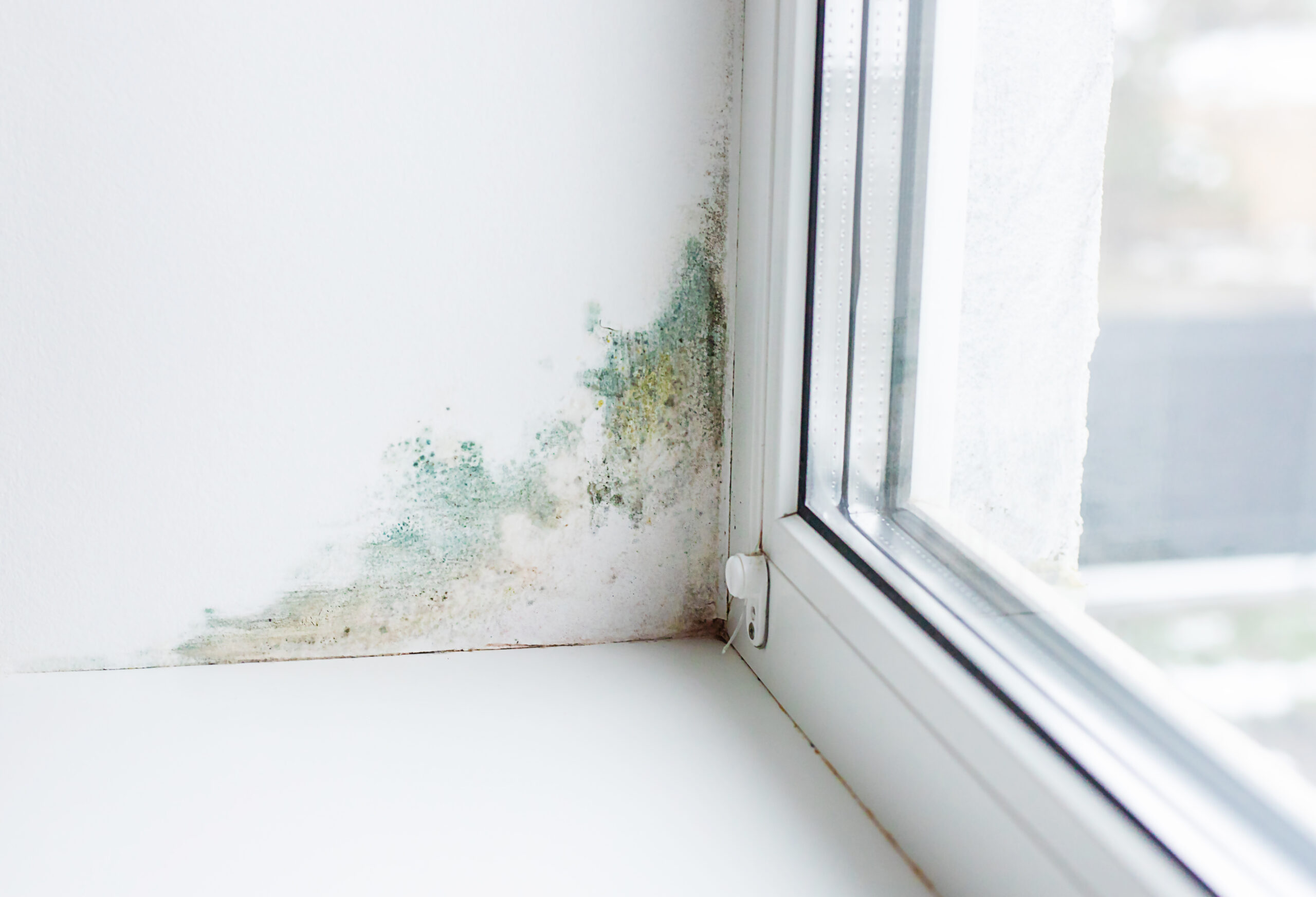
There is a reason your allergies feel worse right after the news stops talking about a storm. Every time a hurricane or tropical system rolls through the Gulf and dumps rain on our roofs, our fences, and our flooded backyards, it leaves behind the perfect breeding ground for mold spores to multiply fast. If your eyes have been itchier, your sinuses more stuffed up, or your asthma flaring more than usual lately, the timing is not random. At Kratz Allergy & Asthma in Port Richey, we see this pattern every single year. Patients who felt fine all summer suddenly walk in with congestion, wheezing, and skin irritation right after a tropical system passes through.
Why Storms Turn Our Homes Into Mold Factories
Mold needs three things to thrive: moisture, warmth, and something organic to feed on. A single hurricane or even a strong tropical storm can hand it all three in one weekend. Florida’s humidity is already high enough to keep mold spores active year round, but add standing water, a leaky roof, or a flooded garage, and spore counts can climb dramatically within 24 to 48 hours.
Homes across Pasco County and the surrounding Gulf Coast are especially vulnerable because of how much moisture gets trapped after a storm. Drywall, carpet padding, insulation, and even wooden furniture soak it up and hold onto it long after the rain stops, quietly growing colonies you may not see until the smell hits you.
Signs Your Allergy Flare Is Coming From Mold, Not a Cold
This time of year, it is easy to confuse a mold reaction with a seasonal cold, especially with kids heading back to school and every classroom becoming a germ factory. But mold allergy symptoms tend to show a specific pattern worth paying attention to.
What Mold Exposure Usually Feels Like
- Symptoms that worsen indoors, especially in bathrooms, basements, or rooms near water damage
- A dry, scratchy cough that lingers for weeks instead of days
- Itchy or watery eyes paired with sinus pressure
- Skin irritation or hives after handling wet furniture, carpet, or storm debris
- Asthma symptoms that flare specifically after cleanup work, even with a mask on
What Points More Toward a Cold or Virus
- Symptoms that come with a fever or body aches
- Congestion that improves steadily after five to seven days
- Sore throat that started before the nasal symptoms did
If your symptoms line up more with the first list, especially after a storm has come through, mold is likely playing a bigger role than you think.
The Hidden Damage Most Homeowners Miss
Roof damage gets attention right away because it is obvious. What often gets overlooked is the slow, hidden moisture that seeps in through window seals or attic vents, feeding mold growth long after the storm has left the news cycle.
This is exactly why so many of our Port Richey patients feel fine right after a hurricane passes, only to develop symptoms two or three weeks later. The mold was never in the storm itself. It was in what the storm left behind.
Protecting Your Home Before the Next System Forms
Prevention matters more than cleanup, and most of it comes down to a few habits you can start this week, before the next name gets added to the storm list.
- Run a dehumidifier in any room that tends to feel damp, keeping indoor humidity under 50 percent
- Check window seals, door frames, and roof flashing now, not after the next warning is issued
- Clean gutters so rainwater actually drains away from your foundation instead of pooling against it
- Keep an eye on areas that flooded during past storms since they are the most likely to flood again
- Store important fabrics, rugs, and cardboard boxes off the floor in case of minor flooding
Cleaning Up Safely Without Making Symptoms Worse
Post storm cleanup is one of the most common times we see mold allergy symptoms spike, largely because people are handling wet, moldy material without any protection. A trip to Home Depot for a mask and a pair of gloves before you start clearing debris will save you days of misery afterward.
If you already know mold triggers your allergies or asthma, cleanup is not the time to push through it. Wet drywall, soaked carpet, and waterlogged furniture should be handled by someone else in your household, or by a remediation professional, whenever possible. For anything you handle yourself, an N95 mask, gloves, and good ventilation are non negotiable.
Throwing open windows to air out a flooded room sounds helpful, but in Florida’s humidity it often backfires by pulling more moisture into the air. A dehumidifier running in that space will do far more to slow mold growth than fresh air alone.
When It Is Time to Bring In an Allergist
Over the counter antihistamines can take the edge off a mild flare, but they are not built to handle the kind of sustained mold exposure that comes with hurricane season in Florida. If your symptoms are lasting more than a couple of weeks, disrupting your sleep, or triggering asthma attacks that need a rescue inhaler more than twice a week, that is your body telling you it needs more than what the pharmacy aisle can offer. Allergy testing can pinpoint exactly which mold species are giving you trouble, since not everyone reacts to the same spores the same way.
From there, treatment options ranging from prescription nasal sprays to immunotherapy can target your specific triggers instead of just masking symptoms until the next storm rolls through and starts the cycle over again. Kids tend to be especially sensitive to mold exposure, and a flare that gets missed or written off as a cold can turn into a much bigger asthma issue by winter. If your child’s cough has hung around since the last big rain event, it is worth having it checked out rather than waiting to see if it clears on its own.
Ready for Relief That Lasts Past Hurricane Season?
Hurricane season in Florida is not going anywhere for a few more months, and neither is the mold that comes with it. The good news is that you do not have to keep white knuckling your way through every storm system with a box of tissues and a maxed out antihistamine dose.
Our team at Kratz Allergy & Asthma has been helping Port Richey, Odessa, Spring Hill, and the greater Tampa Bay area get ahead of mold allergies for years, and we know exactly what this season throws at local patients. If congestion, coughing, or asthma flares have become your new normal every time a storm rolls through, schedule a visit with us and let’s find out what is actually driving your symptoms.